Speaker Glyph Icon: A Visual Guide for Modern Interfaces
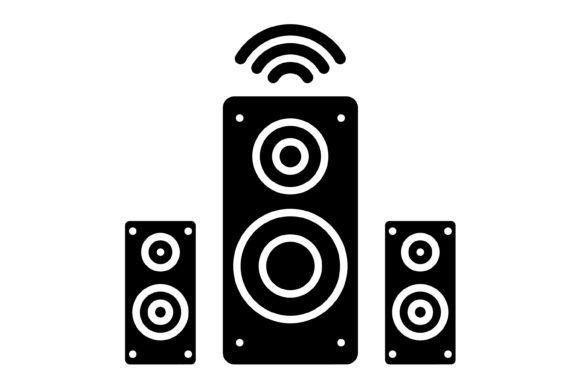
When you are building a digital product, the details often matter more than the big picture. Specifically, the icons you choose act as the silent ambassadors of your user experience. If you are currently working on a mobile app, a website dashboard, or even a slide deck, you have likely faced the challenge of finding vector assets that are clean, scalable, and professional. This is where the Speaker Glyph Icon comes into play. It is not just a picture of a loudspeaker; it is a piece of design infrastructure intended to bring clarity to your audio-related controls and features.
Understanding the Visual Character of the Glyph
The term "glyph" in modern typography and icon design refers to a specific character or shape that is part of a larger set. In the case of the Speaker Glyph Icon, we are looking at a minimalist representation of sound output. The visual style here leans heavily into modern typography principles, favoring geometric precision over ornate illustration. You will notice that the lines are likely uniform in weight, creating a sense of balance that is easy on the eyes.
This style of icon design is essential for web design and mobile apps because it removes visual noise. A glyph icon is designed to be understood in a split second. Whether you place it in a dark mode interface or a light, airy website background, the Speaker Glyph Icon maintains its personality. It feels contemporary and functional. It does not scream for attention, but rather guides the user with quiet confidence. This subtlety is a hallmark of high-quality design assets.
Strategic Applications: Where This Icon Shines
As a designer or business owner, knowing where to deploy specific assets is just as important as having them. The versatility of the Speaker Glyph Icon makes it suitable for a wide range of professional contexts.
Digital Interfaces and Web Design
In the realm of web design, clarity is king. When a user visits a blog or a news site, they often look for a play button or a volume control to consume content. Using a standardized, high-quality vector icon here ensures that the button is immediately recognizable. It integrates seamlessly into navigation bars or media players without looking out of place. Because the file includes SVG (Scalable Vector Graphics), you can resize it to fit anything from a tiny mobile footer to a large desktop header without losing a single pixel of sharpness.
Presentation and Editorial Design
For the entrepreneurs and marketers in the room, presentations are a daily reality. Using the Speaker Glyph Icon in your slide decks can help visually anchor sections regarding audio marketing, podcasting, or customer feedback. In editorial design, such as digital magazines or annual reports, this icon serves as a perfect bullet point or section divider for topics related to communication. It adds a layer of professionalism that generic clipart simply cannot match.
Print and Packaging Design
While we live in a digital age, print is far from dead. The inclusion of AI and EPS formats in this package makes the Speaker Glyph Icon ready for packaging design. Imagine you are designing a box for a set of wireless earbuds or a smart home assistant. You need an icon that indicates volume or sound pairing. Because these are 100% vector files, they will print crisply on any material, from cardboard to glossy plastic, ensuring your brand identity remains sharp and consistent.
Practical Guidance for Implementation
Having the file is step one. Using it effectively is step two. Here is how to get the most out of your new asset.
File Formats and Compatibility
The package includes five distinct formats: AI, EPS, JPG, PNG, and SVG. Knowing which to use is vital for a smooth workflow.
- AI and EPS: These are your master files. Use these if you are working in Adobe Illustrator. They allow you to change colors, stroke weights, and shapes easily. This is where you do the heavy editing.
- SVG: This is the gold standard for web design. It is code-based, meaning it loads fast and looks sharp on any screen resolution, including Retina displays.
- PNG (Transparent Background): If you are using a drag-and-drop website builder or placing the icon over a complex photo in a presentation, the PNG is your best friend. The transparency ensures it blends into the background naturally.
- JPG: While less flexible due to the lack of transparency, JPGs are useful for quick mockups or when file size is a strict constraint.
Testing and Font Pairing
Icons do not exist in a vacuum; they sit next to text. Therefore, you must consider font pairing. If your brand uses a heavy, bold display font, a delicate line-art icon might get lost. Conversely, if you use a thin serif font for a luxury aesthetic, a thick, blocky icon might look jarring. The Speaker Glyph Icon is designed with "maximum usability" in mind, meaning it generally pairs well with clean sans serif fonts like Helvetica or Roboto, but don't be afraid to test it against a script font if your brand has a more personal touch. The key is visual balance.
Consistency in Brand Identity
One of the biggest mistakes in creative font and icon usage is inconsistency. If you use the Speaker Glyph Icon on your website, but use a completely different style of speaker icon on your app, you fracture your user's experience. Use this icon set as your "single source of truth" for audio-related imagery across all platforms. This consistency builds recognition and trust. When a user sees that specific shape, they know exactly what it means, regardless of whether they are on an iPhone or reading a printed brochure.
Conclusion: Elevating the Details
It is easy to overlook the small things. We spend hours picking the right premium font for a headline or the perfect color palette for a logo design. However, the functional elements—the icons that users actually click on—deserve the same level of scrutiny. The Speaker Glyph Icon is more than just a graphic; it is a functional tool designed to make your interfaces more intuitive and your branding more cohesive. By utilizing the provided vector formats and paying attention to how the icon integrates with your typography, you ensure that your project looks polished, professional, and ready for any device.